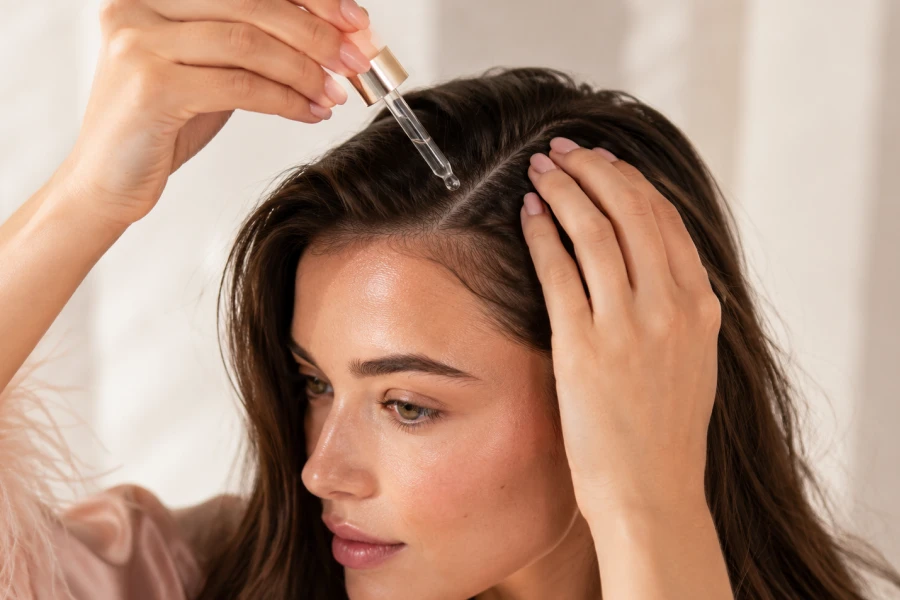
Healthy hair habits can make mornings calmer, faster, and more confident. Hair frustration often starts before the day fully begins. Tangles, frizz, dryness, or greasy roots can change your mood. Better habits reduce those surprises through steady care. They also help products perform more predictably. You do not need a complicated shelf to improve hair. You need routines that match your texture and schedule. Small choices can protect shine, softness, and strength. Over time, hair becomes easier to style. That ease can change how you move through the day.
Nighttime care shapes the next morning more than people expect. Sleeping on rough fabrics may increase friction. Loose protective styles can reduce tangling. Dry ends may benefit from light moisture before bed. Wet hair needs careful handling to avoid stress. A satin or silk pillowcase can support smoother mornings. A frizz control routine starts with reducing overnight disruption. Keep bedtime care short enough to repeat. Consistency beats an elaborate routine you abandon. Morning hair improves when evenings become intentional.
Washing habits should reflect scalp needs and hair texture. Some scalps feel best with frequent cleansing. Others need more time between wash days. Shampoo belongs mainly at the roots. Conditioner usually helps mid-lengths and ends most. Rinsing thoroughly prevents dulling residue. A healthy wash schedule removes guesswork from cleansing. Watch how hair behaves after each wash. Adjust timing when seasons or workouts change. Smart washing keeps hair fresh without stripping comfort.
Breakage often happens during rushed daily handling. Pulling through knots can weaken fragile strands. Tight elastics may create repeated stress points. Rough towel drying can disturb the cuticle. Hot tools used quickly may require extra passes. These ordinary habits add up quietly. A breakage prevention steps plan makes protection automatic. Use softer ties and gentler towels when possible. Slow down during the moments that create damage. Hair strength often improves through better handling.
Styling products should solve problems, not create buildup. Apply them where they are truly needed. Roots may need volume while ends need softness. Too much product can make hair feel coated. Too little may leave frizz unsupported. Start with small amounts and add gradually. A personalized hair routine helps match products to real needs. Notice how hair feels by evening. That timing often reveals whether application worked. Product control makes styling more predictable.
Pattern recognition can make hair care feel easier. Photos reveal changes that daily mirrors miss. Notes can connect frizz with humidity or product buildup. Wash timing can be tracked with very little effort. AI tools may organize those observations into suggestions. They can also compare routines across weeks. A AI hair care tools setup should stay simple. Overtracking can make beauty feel like homework. Use technology only when it reduces confusion. The best insights still come from your lived routine.
Confidence grows when hair becomes less unpredictable. You know which steps help and which ones distract. You spend less time correcting preventable problems. You also buy fewer products from frustration. Stronger habits create a calmer relationship with beauty. They make natural texture easier to appreciate. Give your routine time before judging results. Hair responds across weeks, not only days. Small improvements can still feel meaningful. Better care turns mornings into something gentler.



Leave a comment