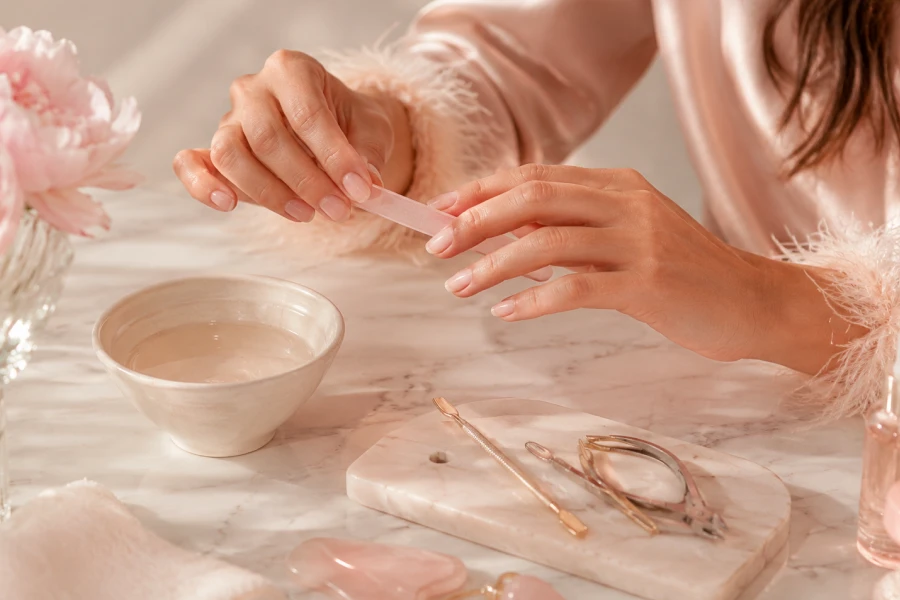
A healthy nail routine helps your hands look polished even between manicures. Many nail problems start quietly with dryness or rough handling. Splits, peeling, and uneven edges rarely appear overnight. They build from daily stress and missed protection. The right habits create strength before damage becomes visible. They also make polish, bare nails, and simple grooming look better. This approach does not require complicated products. It asks for consistency, gentleness, and smart timing. When care becomes automatic, nails respond steadily. Your hands start looking healthier in a natural way.
Protection matters because nails face constant pressure. Typing, cleaning, washing, and opening packages all add stress. Gloves can prevent water exposure during chores. Filing can stop a small snag from spreading. Moisturizer reduces dryness around the nail folds. A brittle nail prevention approach starts with these ordinary habits. Avoid harsh scraping when removing polish or residue. Choose tools that feel smooth rather than aggressive. Gentle protection makes strength easier to maintain. Nails look better when damage happens less often.
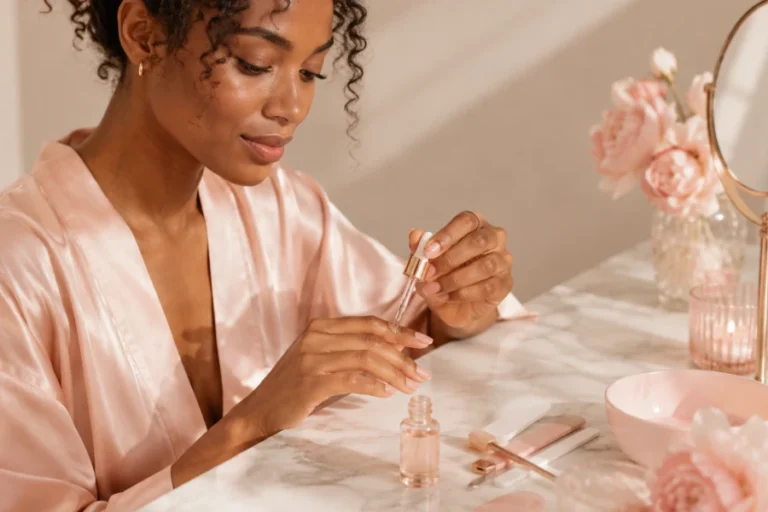
Weekly maintenance gives nails a cleaner structure. Choose one day for shaping, buffing, and deeper hydration. Trim before breaks force an uneven length. Smooth rough edges with a fine file. Apply oil generously around each nail. Let hands rest from polish when needed. A weekly nail maintenance plan prevents neglect from piling up. Short sessions are easier to repeat consistently. They also make everyday care feel more effective. Beauty improves when maintenance becomes predictable.
Nails reflect care from the outside and inside. Hydration supports the skin surrounding each nail. Balanced meals also contribute to normal growth. Sudden changes can show up slowly over weeks. Do not expect one food to solve everything. Look for patterns rather than miracle claims. A nail growth support mindset combines lifestyle and grooming. Sleep, stress, and hand protection all matter. Healthy nails usually improve through several small supports. This makes the process feel realistic and sustainable.
Polish removal can leave nails feeling dry. Acetone may work quickly but needs follow-up care. Wash hands gently after remover use. Apply oil before judging how nails look. Let the surface breathe if it feels fragile. Avoid peeling polish because it lifts nail layers. A polish-free nail recovery period can restore comfort. Keep nails short during recovery weeks. Use sheer strengthening products only when they feel helpful. Your bare nails deserve care, not criticism.
Tracking helps you understand what actually works. Take quick photos under similar light each week. Note breakage, dryness, peeling, or tenderness. Include polish use and remover frequency. Weather changes can also affect hand comfort. AI tools can help organize these observations. A personalized nail routine becomes easier with visible patterns. Technology should support decisions, not create pressure. Your nails still provide the clearest feedback. Use data to simplify care, not complicate it.
The best nail plan fits your real life. Keep a file where snags usually happen. Place oil somewhere you already pause daily. Use gloves before cleaning products touch your hands. Moisturize after washing whenever possible. Choose fewer steps you can repeat confidently. Avoid comparing your nails with edited images online. Progress often looks subtle before it looks dramatic. Stronger nails come from steady care over time. When habits feel easy, results become easier too.

Leave a comment